Learning Languages Through Contrastive Linguistics: Insights and Practical Strategies

A woman eating an apple

Discover how contrastive linguistics helps language learners understand challenges, identify similarities and differences between languages, and apply practical strategies for more effective learning.   1. Why Contrastive Linguistics Matters When learning or teaching a foreign language, one question often comes up: why do learners from different language backgrounds face different challenges with the same target … Read more

Golden (K-Pop Demon Hunters OST) Lyrics Explained: Korean Expressions in K-Pop

Female idols performing in concert halls

Explore the Korean expressions and contractions used in K-pop lyrics with a focus on “Golden.” Learn how everyday Korean vocabulary and grammar appear in modern K-pop songs, and discover the cultural and emotional nuances behind the words.   1. Introduction – Learning Korean Through K-pop K-pop is more than just music—it’s a cultural phenomenon that … Read more

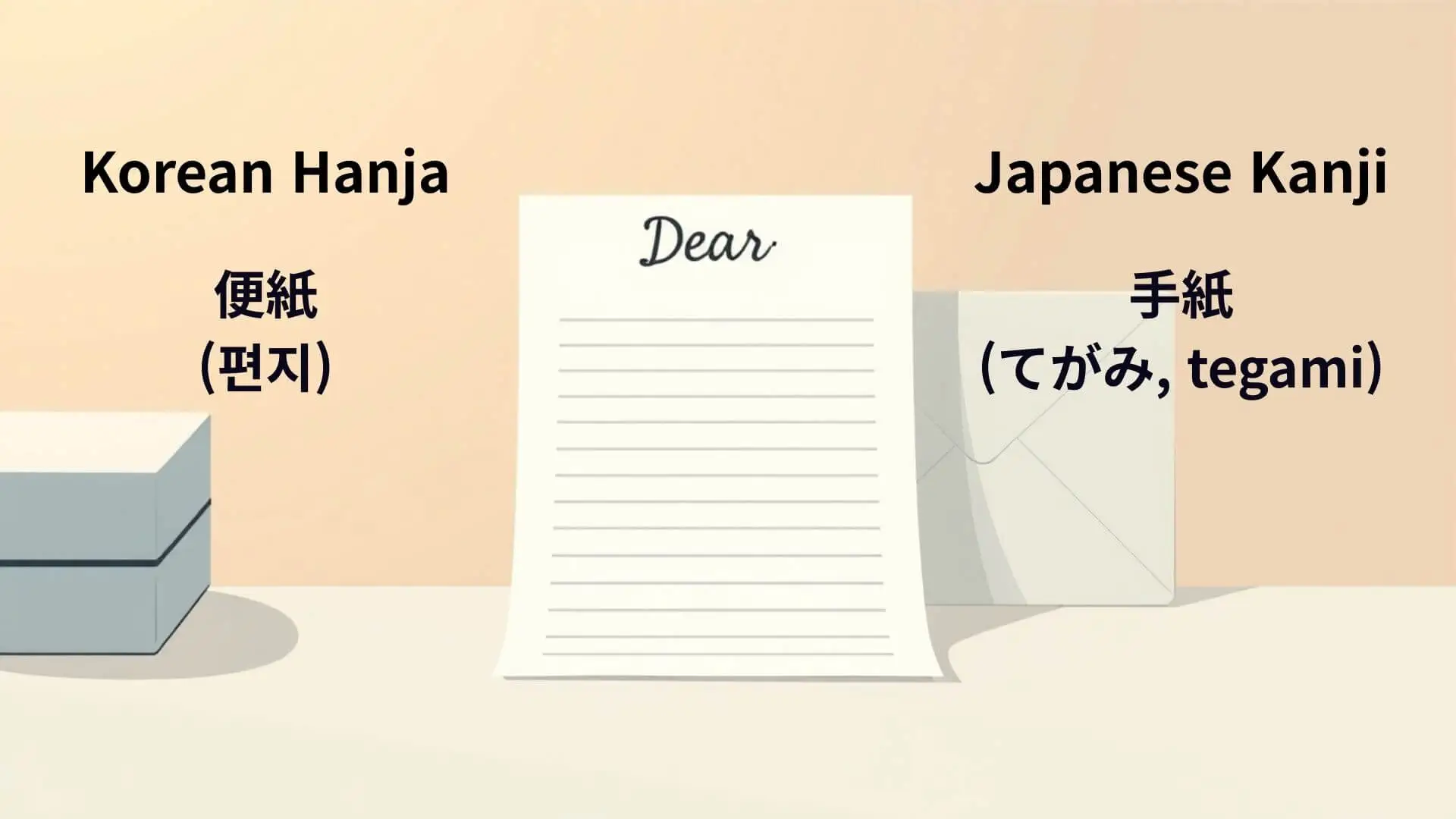
Lost in Meaning: How Shared Chinese Characters Diverge in Korean and Japanese

letter, Korean Hanja, Japanese Kanji

Discover how identical Chinese characters developed distinct meanings in Korean and Japanese. This article explores the historical adoption, semantic evolution, and modern usage of Hanja and Kanji, revealing surprising differences in interpretation between the two languages.   1. Introduction “Imagine looking at the same Chinese character, but a Korean and a Japanese speaker interpret it … Read more

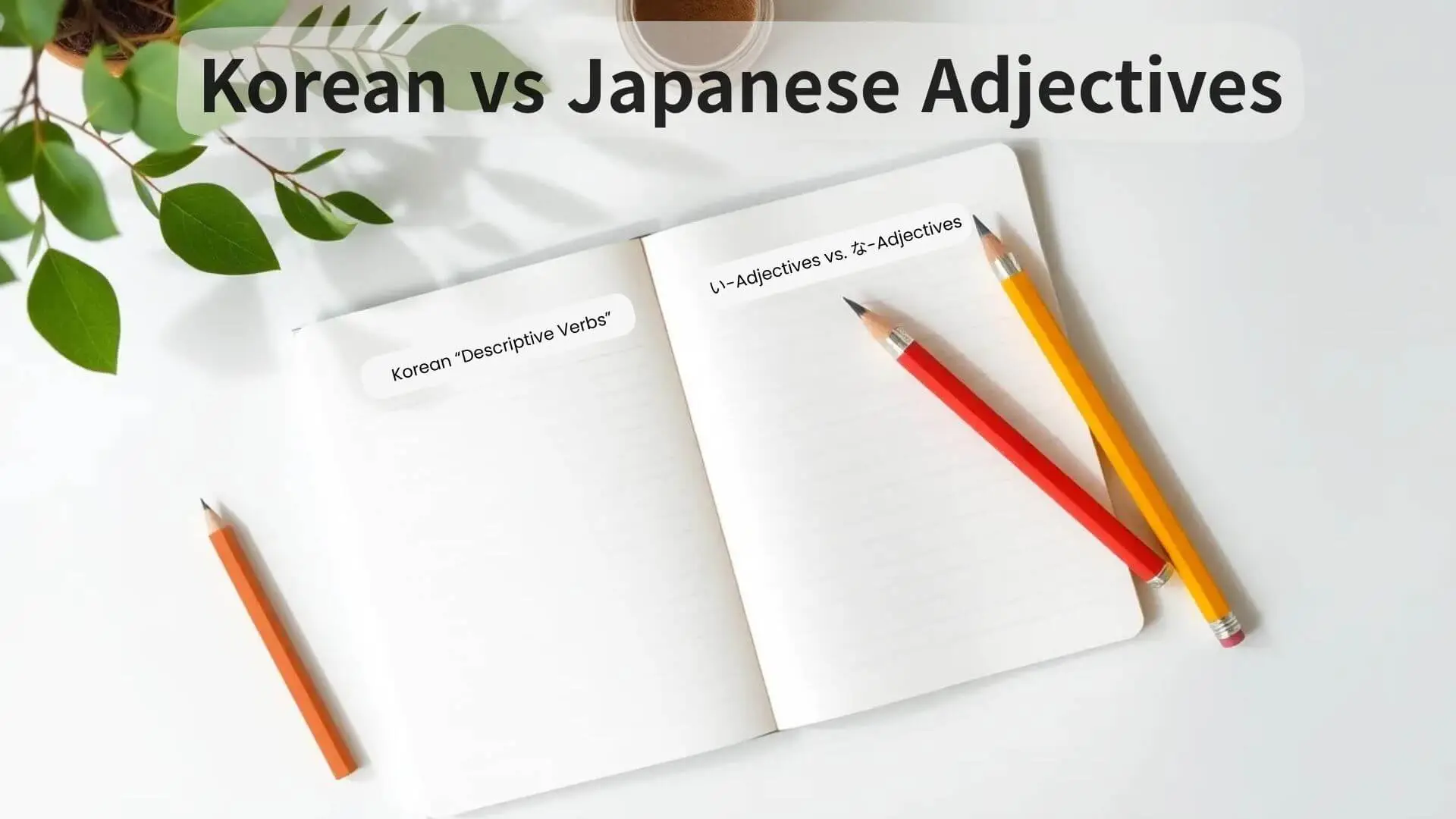
Korean vs Japanese Adjectives: A Learner’s Guide to Descriptive Verbs and Adjective Types

Korean vs Japanese Adjectives

Explore the key differences between Korean descriptive verbs and Japanese adjective types. Learn how to use adjectives correctly, understand their grammar, and master subtle nuances for fluent communication.   1. Why Adjectives Feel “Different” in Korean and Japanese For many learners, adjectives seem straightforward at first—they describe qualities like “pretty,” “fast,” or “quiet.” But once … Read more